

Why Are Aesthetic Practitioners Watering Down Botox?
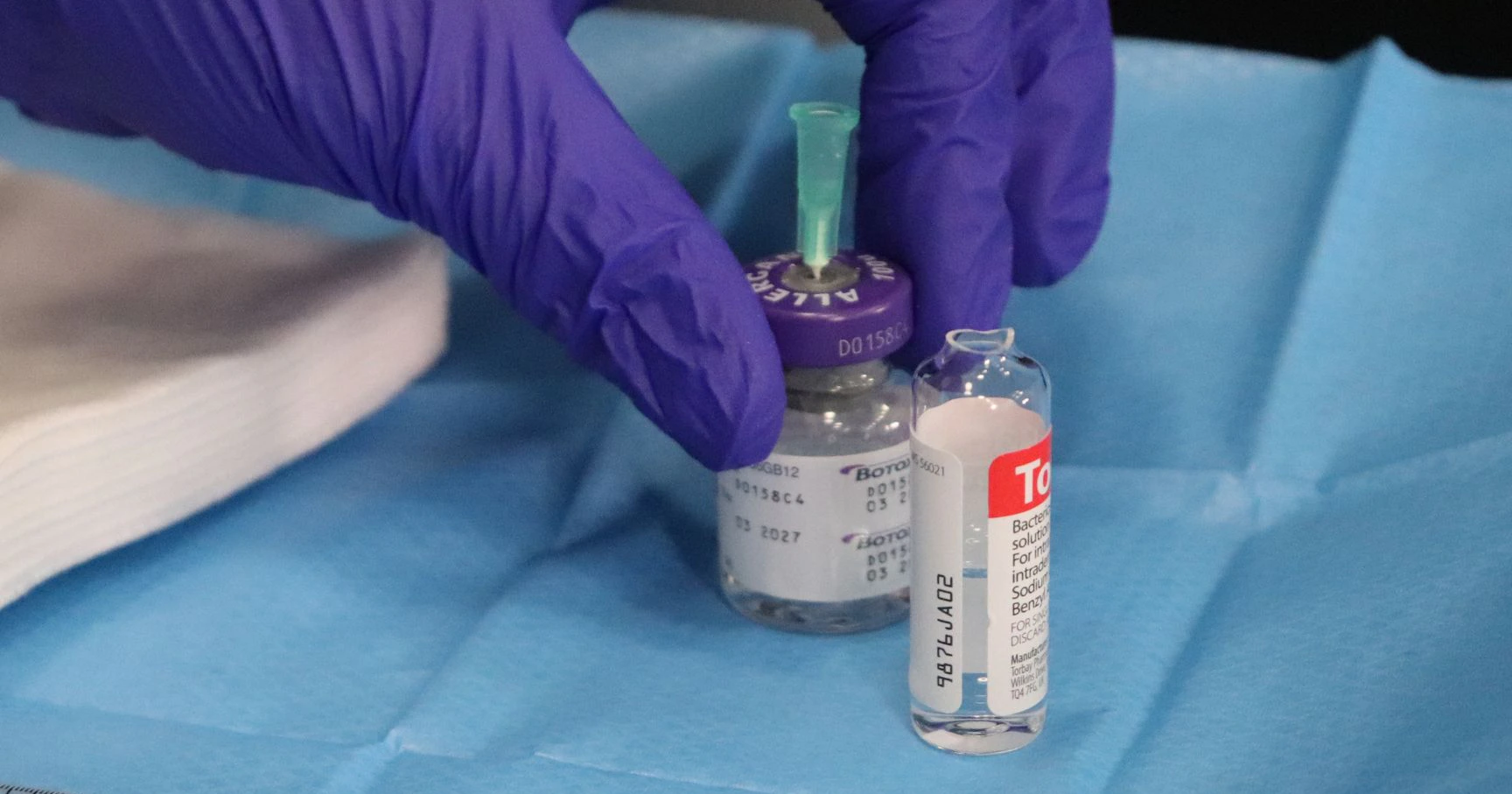
Recent online reports suggest that some aesthetic practitioners are watering down Botox. In this article we explore why, and if this is a useful practice in certain scenarios.
Patients are understandably worried their Botox results aren't lasting as long as they should. But what's actually happening, and should UK aesthetic practitioners be concerned?
In this article we explore what watering down Botox really means and whether hyperdilution is genuinely a widespread problem. We also cover the legitimate clinical reasons why dilution may vary between clinicians and treatment areas.
If you're working in medical aesthetics, or considering aesthetics training as a healthcare professional, this is worth understanding fully.
The short answer is that deliberate hyperdilution is unlikely to be widespread. But poor results do happen, and there are several more probable explanations. Knowing the difference matters, both for patient care and for your professional credibility.
Botox remains the most popular cosmetic injectable in aesthetic medicine, and can form the cornerstone for many new practices. So having a deep understanding of its mechanisms, and how to get the best results for your patients can truly help you to stand out.
What Does Watering Down Botox Actually Mean?
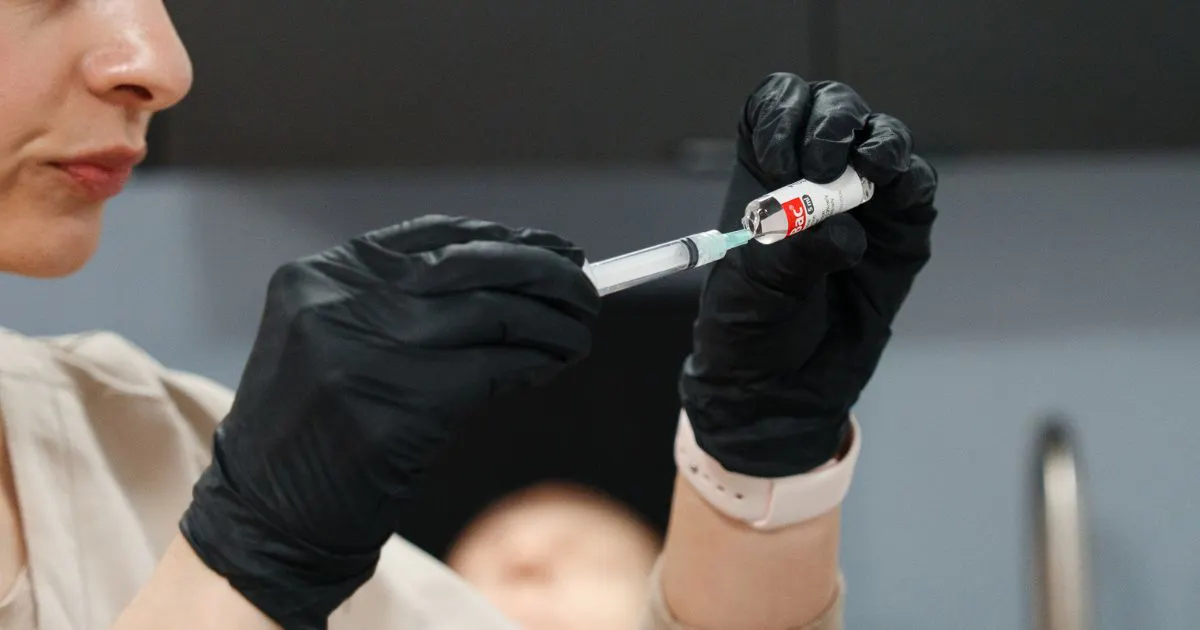
Botox doesn't come ready to inject. It's supplied as a freeze-dried powder that must be mixed with sterile saline before use. That reconstitution process is where dilution comes in.
Dr Emily Mehta, an experienced cosmetic doctor and Harley Academy’s Chief Product Officer, explains it clearly:
"When they talk about watering down Botox, what they mean is how much saline you add to the vial and the type of concentration you create."
The standard reconstitution for a 100-unit vial of Botox is 2.5ml of saline. This produces a concentration of 4 units per 0.1ml. It's straightforward when done correctly.
What hyperdilution looks like in practice
Dr Emily explains what happens when more saline is added than recommended:
"If you were to dilute your Botox, you'd reduce the dose, so for your 100ml vial of Botox, you're meant to add 2.5ml of saline. This gives a concentration of 4 units per 0.1ml. Or, if you were to hyperdilute it by adding more, say 5ml of saline, you'd get a concentration 2 units per 0.1ml. Essentially, you'd then be giving your patients a lower dose."
So doubling the saline halves the concentration. The dose delivered to the patient drops significantly as a result.
Why Would an Aesthetic Practitioner Hyperdilute Botox?
The suggestion online is that some injectors hyperdilute toxin intentionally. The idea is that a lower dose gives an initial result. That result then wears off faster, so patients return sooner, generating more revenue for their business.
Dr Emily acknowledges the theory but is sceptical.
She says, "It's suggested that aesthetic practitioners might be hyperdiluting Botox so that there's an initial result but it wears off quicker. This means patients need to have treatment more often to maintain results. However, what's just as likely to happen if you were to hyperdilute Botox is that you'd get a substandard result in the first place from this lower dose."
In reality, a dissatisfied patient is unlikely to return at all. Deliberately giving poor results makes little business sense.
Is Watering Down Botox Really a Widespread Problem?
Reports of watered-down Botox have been concentrated in the USA. However, Dr Emily is clear that this issue isn't geographically limited:
"Although the reports seem to be concentrated in the USA, this also applies in the UK and anywhere else in the world."
That said, she doesn't believe hyperdilution is common in practice:
"It's unlikely that watering down Botox is a real problem among injectors, but there are lots of different reasons why patients may not be seeing the results they want. These are often related to the total dose they receive, rather than whether it's diluted or not."
This is an important distinction for medical aesthetics practitioners to understand.

Why Do Botox Results Vary Between Patients?
Poor or short-lived results have several possible explanations. It's rarely as simple as blaming dilution.
Dose is the most likely factor in poor Botox results
The total amount of product injected matters more than its concentration.
Dr Emily is direct on this point: "If the product isn't lasting, the most likely cause is the dose that was injected. There's a fairly predictable dose-response relationship. All of the well-known toxin brands have evidence to show that they're effective, when used as intended, in a pretty much identical way. There's no real reason why a patient should respond better to one brand than another."
Injection technique also plays a role
How the product is administered matters as much as the dose that’s used:
"How it's injected may also be a factor in poor botox results,” shares Dr Emily. “Was the toxin administered properly? Was it injected too superficially, or in the right areas? Patient factors are also important to consider, including their general health, whether they followed aftercare advice and attended their follow-up appointment."
This is one reason that quality aesthetics training focuses so heavily on technique and assessment. At Harley Academy, you’ll learn best practices anchored in the latest evidence from the very start of your aesthetics career, from our Foundation Training in Medical Aesthetics right through to our Level 7 Diploma in Cosmetic Injectables.
To perfect your botox injection techniques, you first need a solid base of theory knowledge covering facial anatomy and ageing, basic product rheology, injection depths, how to minimise the risk of potential complications and more. These are all points that are covered in the eLearning for our aesthetics courses, which you should explore in detail before even treating your first patient.
You can also enhance your botulinum toxin knowledge through fun, microlearning sessions free of charge, at HarleyAcademy.ai. Our new aesthetics learning system allows healthcare professionals to explore evidence-led education on specific topics, using engaging formats that are proven to improve comprehension.
Check it out now to test your botulinum toxin knowledge with our Toxin Mastery module and quiz. Plus discover toxin injection pattern information in our educational resource covering the three key upper face muscle groups.
Don’t ignore patient factors
Results vary between individuals for reasons that have nothing to do with the product or the practitioner. These include:
- General health and immune function
- Compliance with aftercare instructions
- Whether follow-up appointments were attended
- Individual variation in muscle activity and metabolism.
Product quality and supply chain
Where things can genuinely go wrong is with the product itself. Dr Emily flags a risk that all aesthetic practitioners should take seriously:
"Lastly, which product was used is also a factor when the outcome is not as intended, though this is far less likely than the other scenarios. As long as you're using a genuine neurotoxin product with the appropriate regulatory clearances and approvals for your country, that's been purchased from a reputable supplier and stored correctly, this is unlikely to be the issue. Where you can run into trouble is if you're using counterfeit products, or those purchased from illegitimate vendors, often foreign brands sold via social media or WhatsApp."
This is a real and documented risk. In 2024, the CDC investigated harmful reactions linked to counterfeit botulinum toxin products in the USA. Buying prescription-only medications from regulated, reputable suppliers isn't optional. You also need to keep an eye on expiry dates to make sure your products are valid.
When Dilution Variation is Clinically Justified
Not all variation in dilution is a red flag. Experienced injectors adjust their anti-wrinkle treatment concentration deliberately depending on the treatment area. This is a legitimate clinical decision.
Dr Emily explains, "The dilution used is at the practitioner's discretion and there are some legitimate clinical reasons why they may choose to make the concentration more or less dilute. These include treating areas where you want to ensure a certain concentration so there's no spread, such as the lower face and anywhere near the lips. You don't want the product to spread here."
In contrast, larger areas benefit from a different approach. She shares, "For areas such as the forehead, which is much larger, you want a much more even spread of effect. Here it's common to dilute the product more intentionally. As long as the overall dose given is accurate, this shouldn't affect how long patients’ results last."
This nuance is exactly why good aesthetics training matters. Understanding how and why to adjust dilution is part of safe, effective practice and providing your patients with the results they want.
What about pre-diluted botulinum toxin products?
It's worth noting that not all neurotoxin products require reconstitution. Some come ready-made.
Dr Emily clarifies, "This doesn't apply to pre-diluted forms of botulinum toxin, such as Relfydess - relabotulinumtoxinA - where practitioners can't interfere with the liquid product. However, all other UK neurotoxin brands require saline to be added."
What This Means for Aesthetic Practitioners
If your patients are reporting that their neurotoxin isn't lasting as long as expected, here's a useful framework for working through why:
- Review the dose given. Is it within the recommended range for the treatment area?
- Consider your technique. Was the product placed correctly and at the right depth?
- Check your reconstitution process. Is your dilution appropriate for the area being treated?
- Assess patient factors. Did they follow aftercare advice and attend their follow-up?
- Verify your supply chain. Are you buying from a reputable, regulated supplier?
Hyperdilution as a deliberate, widespread fraud is unlikely to be the explanation. But reviewing all of the above is good clinical practice regardless.
It's also worth having an open conversation with patients about expectations. Results do vary between individuals. Some patients metabolise neurotoxins faster than others. Factors such as exercise frequency, sun exposure, and general health all play a role. Setting realistic expectations at the consultation stage prevents disappointment later. It also helps patients understand that variation in results isn't necessarily anyone's fault.
You can also explore our article on what to do if botox stops working for your patients, for further insights.
Choosing botox courses for healthcare professionals
If you're a healthcare professional thinking about moving into aesthetic medicine, this topic illustrates something important. Understanding the science behind your products is as essential as learning how to inject.
A good aesthetics course doesn't just teach technique. It teaches clinical reasoning, product knowledge, and patient communication. You need to be able to explain to patients why results vary, and how to manage expectations honestly.
Patients are increasingly well-informed. They read articles about watered-down Botox. They come to consultations with questions. Being able to address those questions calmly and with authority builds trust quickly.
Medical aesthetics training built on solid clinical foundations produces clinicians who understand the full picture. That's what protects patients and builds lasting careers.
Choosing the right aesthetics course means looking for one that goes beyond injection technique. It should include pharmacology, product knowledge, complications prevention and management, as well as clinical assessment. These are the elements that separate competent injectors from truly skilled practitioners.
Ready to take the next step? Book a call with our aesthetics courses team for personalised advice on taking the next step in your medical career.
All information correct at time of publication
Download our full prospectus
Browse all our injectables, dermal fillers and cosmetic dermatology courses in one document
By submitting this form, you agree to receive marketing about our products, events, promotions and exclusive content. Consent is not a condition of purchase, and no purchase is necessary. Message frequency varies. View our Privacy Policy and Terms & Conditions
Attend our FREE open evening
If you're not sure which course is right for you, let us help
Join us online or in-person at our free open evening to learn more
Our Partners
















STAY INFORMED
Sign up to receive industry news, careers advice, special offers and information on Harley Academy courses and services