

New Boey Neurotoxin: What Aesthetic Practitioners Need to Know
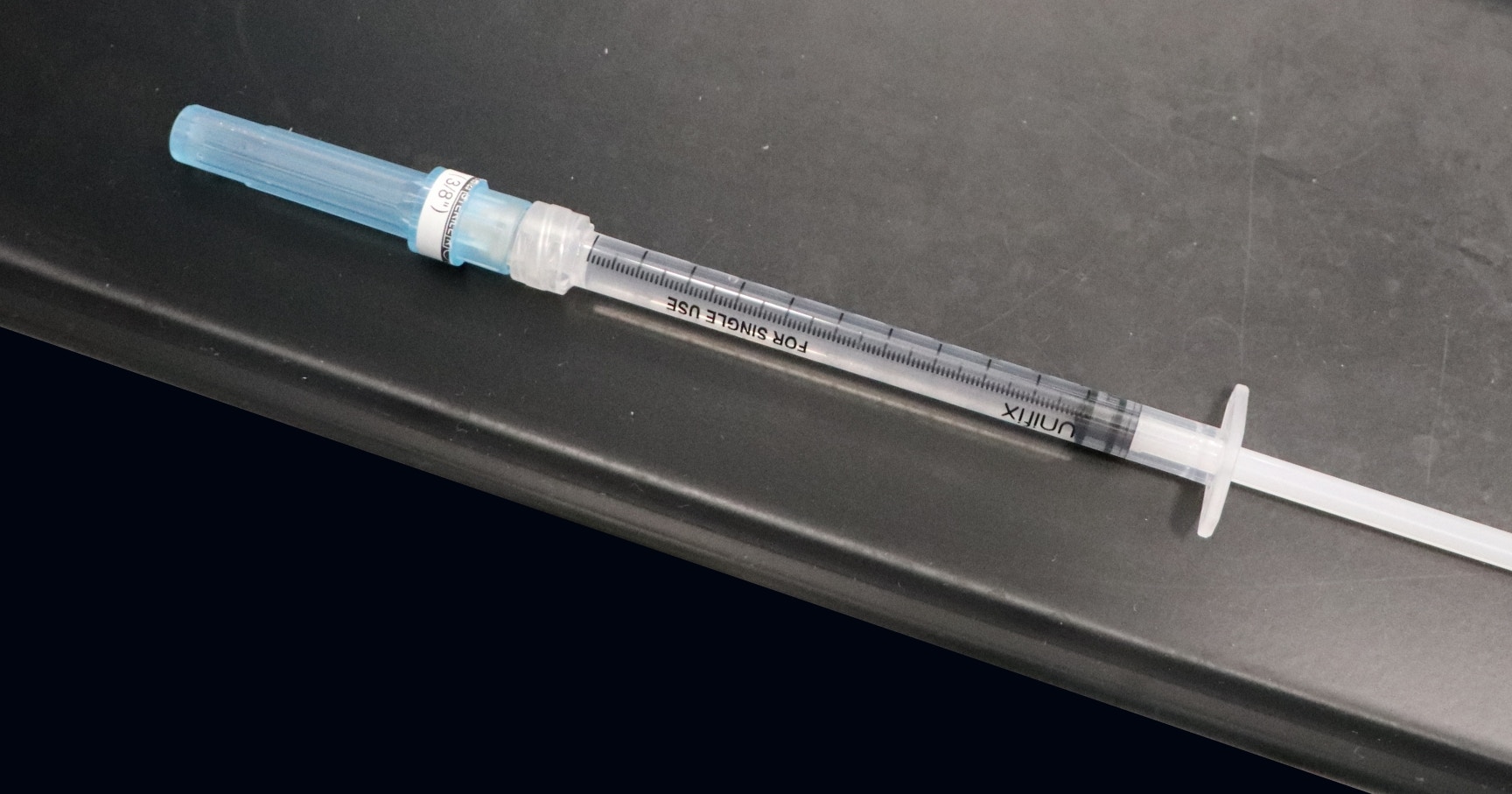
Boey® (trenibotulinumtoxinE) is a fast-acting neurotoxin from Allergan Aesthetics - the makers of Botox. It’s been approved for use across Canada and Europe but is not approved for the UK yet.
Unlike Allergan’s market-leader Botox, Boey is designed to give patients outcomes that appear fast and fade fast. Results can appear within eight hours and typically wear off within two to three weeks. This makes it a rapid onset, short duration option for patients who are curious but hesitant.
Boey’s exciting European approval does not include the UK, however. It applies across the 30 European Economic Area countries. Since Brexit, the UK is no longer part of the EEA so this decision doesn't automatically extend to Britain, where MHRA approval is required.
This new launch comes hot on the heels of new safeguarding action from the MHRA to strengthen warnings on all UK licensed botulinum toxin products. The safety measure was taken following a serious rise in botulism cases linked to unlicensed cosmetic toxin use in England.
For any healthcare professional working in or entering aesthetic medicine, these two stories matter together. Whether you already inject botox regularly, or you're weighing up medical aesthetics training for the first time, this matters. Product knowledge and product safety go hand in hand.
In this article we answer a wealth of relevant questions, including:
- What is Boey neurotoxin?
- How is Boey different from Botox?
- When will Boey be available to UK aesthetic practitioners?
- How do I purchase botox in the UK and where do I get it from?
- What’s the best way to store botulinum toxin correctly?
Good medical aesthetics training should cover many of these toxin questions from day one. Whether you're partway through an aesthetics course, or simply keeping your knowledge current, this read is worth ten minutes of your time.
What is Boey Neurotoxin?
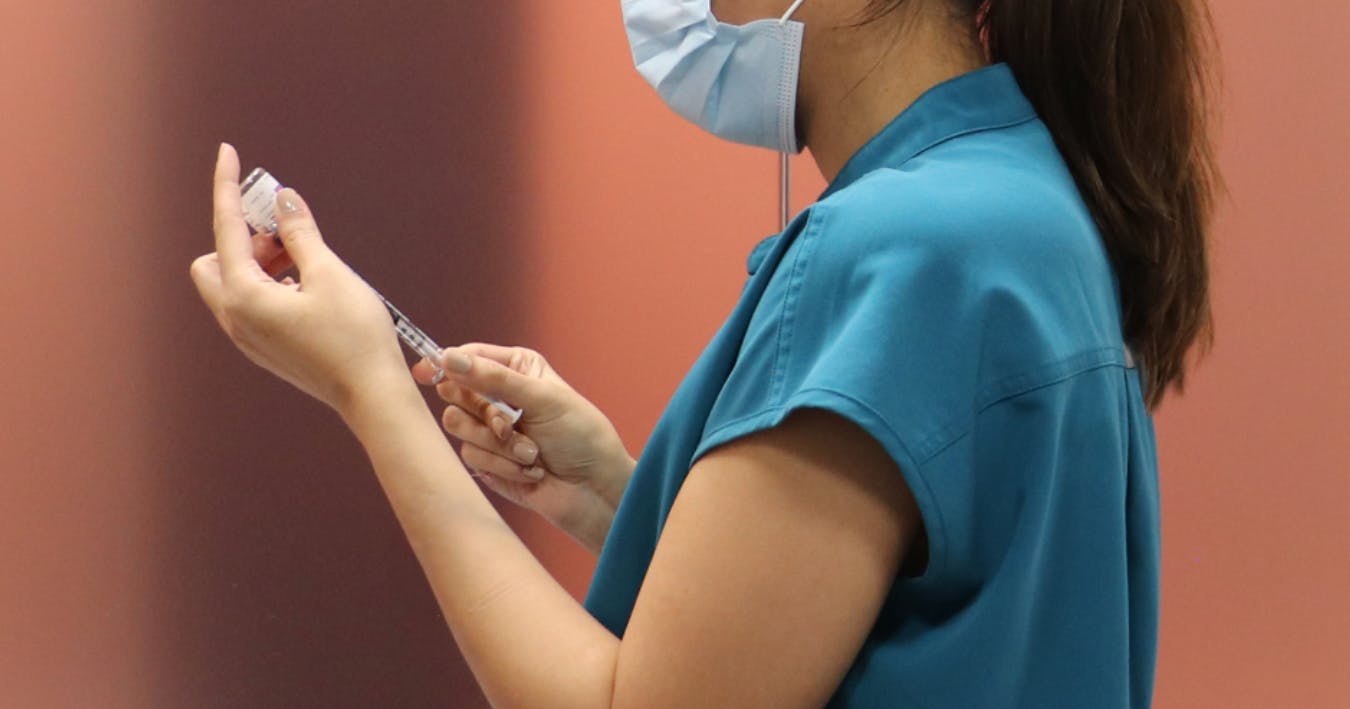
Boey is the brand name for trenibotulinumtoxinE, a neurotoxin developed by Allergan Aesthetics, an AbbVie company. It's the same company behind Botox Cosmetic. In late July 2026 the European Commission approved Boey for treating moderate to severe glabellar lines. This approval covers adult patients whose frown lines have a noticeable psychological impact. It applies across all 30 countries in the European Economic Area. Boey had already been approved in Canada earlier in the year.
The United Kingdom is not covered by this approval and requires a separate Marketing Authorisation from the Medicines and Healthcare products Regulatory Agency (MHRA).
How Is Boey Different From Botox?
Botox is a botulinum toxin serotype A product. Boey is built from botulinum neurotoxin serotype E instead. Serotype E targets the SNAP-25 protein but behaves differently once inside the cell. It has a rapid uptake into neuronal cells and a naturally short half-life. This gives Boey its fast onset and its short duration of effect, by design rather than by accident.
Darin Messina, senior vice president of aesthetics research and development at AbbVie, commented on the announcement via press release. He said the approval "marks an important step forward for our development program." He noted it builds on the momentum already established with Health Canada's earlier approval.
When will Boey be available in the UK for aesthetic practitioners to use?
There is no timeline available from either Allergan Aesthetics nor the MHRA as to if or when the necessary authorisation will be provided. Allergan is likely working to secure this soon and we’ll update this article and share the news on the Harley Academy Instagram account once this happens.
At the end of July 2026 Boey was currently approved for cosmetic use in both Canada and Europe. However, its FDA approval for the USA has been delayed.
The FDA issued a Complete Response Letter (CRL) for Boey, which is marketed in the US as Trenibote, in April 2026, citing manufacturing considerations rather than concerns about safety or efficacy.
How does Boey compare to other neurotoxins available in the UK?
The UK aesthetics market already includes several licensed botulinum toxin type A brands. These include:
- Botox (onabotulinumtoxinA, AbbVie)
- Azzalure (abobotulinumtoxinA, Galderma)
- Bocouture (incobotulinumtoxinA, Merz)
- Letybo (letibotulinumtoxinA, Croma Pharma)
- Nuceiva (prabotulinumtoxinA, Evolus)
- Alluzience (abobotulinumtoxinA liquid, Galderma)
- Relfydess (relabotulinumtoxinA, Galderma)
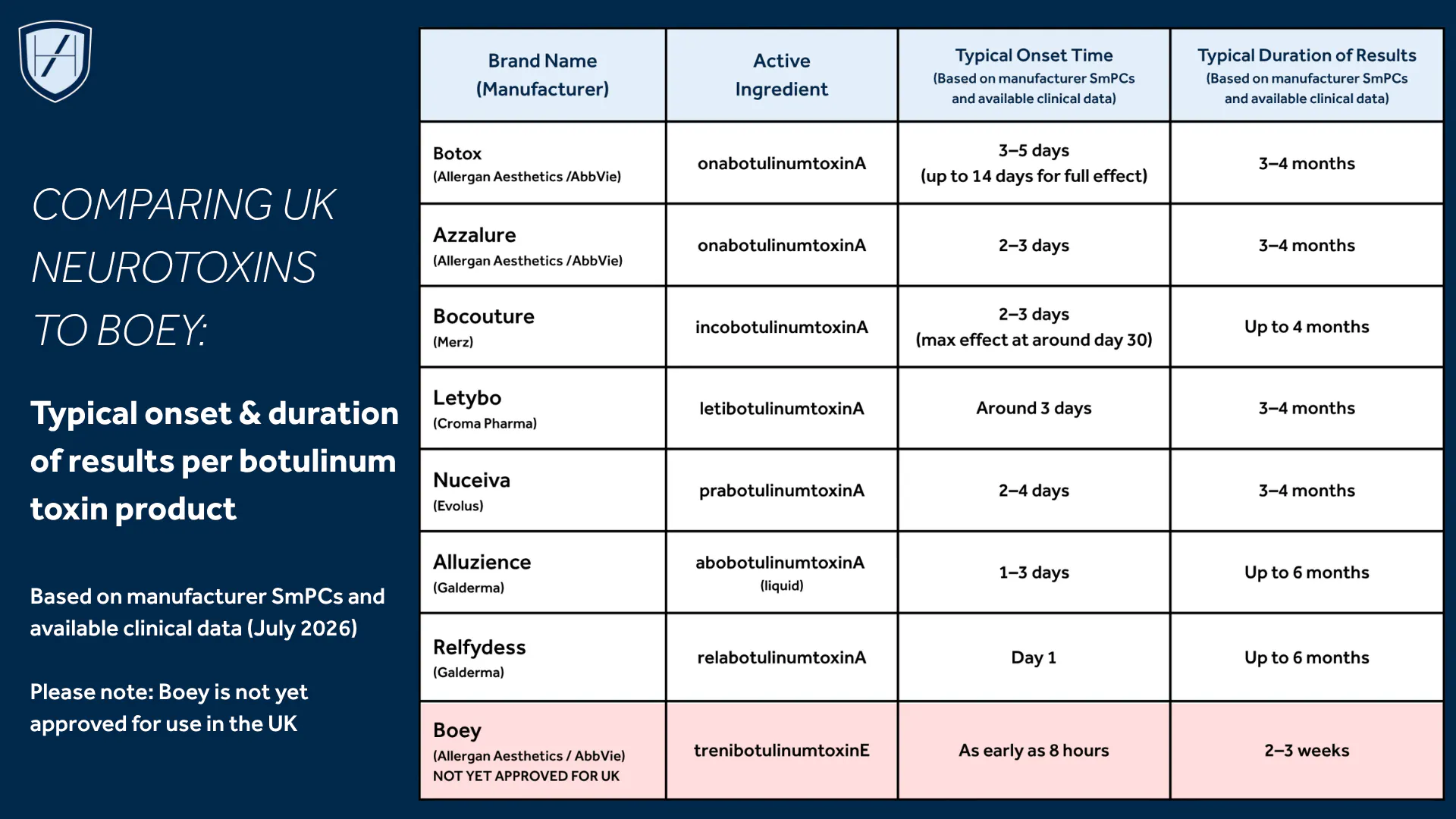
All of these are serotype A products with broadly similar onset and duration profiles. Effects typically build over three to seven days and last around three to four months. You can find the average onset and results duration information in our chart below.
Boey works on a completely different timeline. In clinical trials, onset was seen as early as eight hours after treatment. The effect then faded within roughly two-to-three weeks, rather than months. This positions Boey as a trial option rather than a long term maintenance treatment. It’s an option worth considering for suitable, consenting patients who want to try botox but aren’t sure if they’ll like the results.
Why would a patient choose a short-lasting toxin?
Allergan Aesthetics research found that a number of people are curious about facial injectables but are hesitant to commit. According to the company's own survey data, 80% of people said they were open to learning about new treatments. Separately, 79% said they wished they could preview a treatment's outcome before deciding. Boey is aimed squarely at this group of curious, cautious patients. It offers a way to experience toxin treatment quickly and without a months-long commitment.
Is Boey a Replacement for Botox?
No. Boey is not a replacement for Botox, it’s a different product with a different clinical purpose. Allergan is positioning Boey as a complementary option, not a substitute. Why did the MHRA Strengthen its neurotoxin warnings?
In July 2026, the MHRA announced updated safety warnings for all UK licensed botulinum toxin type A products. This change applies to every authorised brand, used for both medical and cosmetic purposes. Product information and patient leaflets are being revised to make one risk clearer. That risk is iatrogenic botulism, where toxin effects spread beyond the treatment area.
What prompted this update?
The update follows a serious outbreak of iatrogenic botulism in England during the summer of 2025. UKHSA confirmed 41 clinically verified cases across five English regions. Cases were concentrated in the North East, East Midlands, East of England, North West, and Yorkshire and Humber. Most affected patients had received products that were not licensed for use in the UK. One North East investigation found a seized product with a potency far higher than labelled.
Similar botulism cases linked to cosmetic toxin use were also reported in Leeds, in May 2026.
What should aesthetic practitioners tell toxin patients now?
Every patient seeking botulinum toxin treatment should understand the early warning signs of botulism before they leave your clinic. These include difficulty swallowing, slurred speech, breathing difficulties, and unexpected facial or muscle weakness. We have previously shared a guide to the differences between ptosis and botulism.
Symptoms can appear within days, but may also emerge up to four weeks later. Patients should be told to seek immediate medical attention if any of these occur. Clinics should also have a clear plan for who patients should contact with concerns, and ensure the patient has this information.
Clinicians should report any suspected adverse reaction through the MHRA’s Yellow Card scheme. This directly supports the ongoing monitoring of botulinum toxin safety across the UK.

Why must you only buy botulinum toxin from a reputable supplier or pharmacy?
Authorised botulinum toxin products are available via prescription only in the UK, regardless of the brand. This medication must only be supplied, prescribed and administered within a proper regulatory framework. Buying from anywhere outside an authorised, regulated pharmacy or supplier puts your patients at risk.
The MHRA treats unlicensed neurotoxin supply as a serious breach of the Medicines Act. It can seize stock, prosecute suppliers and work with police and Border Force on imports.
How do counterfeit or unlicensed botox products reach clinics?
Counterfeit toxins are often packaged to closely resemble genuine, well known brands. The packaging may look convincing, but the liquid inside is not the real medication.
Some unlicensed products are sold far more cheaply through informal or online channels, such as WhatsApp. Others may be offered by pharmacists willing to supply without a proper in-person consultation. This is illegal, and it breaches fundamental prescribing standards for both parties involved.
Unlicensed or counterfeit toxin can also carry an unpredictable, sometimes dangerously high, potency. This was a direct factor in the North East botulism outbreak mentioned earlier. Always confirm your supplier is an authorised, regulated pharmacy before placing any order.
You can explore how to spot fake botox products and how to ensure you’re purchasing from a regulated pharmacy in our dedicated article.
What does the Boey news mean for UK aesthetic practitioners right now?
Boey's approval genuinely expands the toolkit available to injectors across its authorised territories. It offers a distinct, short duration option for patients not yet ready to commit fully. However, for now, it’s simply something worth considering given it does not yet have the relevant UK licensing approvals.
What can be actioned straight away relates to the MHRA's updated warnings, that are a timely reminder of your core responsibilities. Every aesthetic practitioner must know their products, their suppliers, and their storage protocols inside out. This applies equally whether you're an experienced injector or newly qualified in aesthetic medicine.
Strong foundational knowledge, the kind built through proper medical aesthetics training for healthcare professionals, underpins all of this. If you're partway through an aesthetics course, these safety fundamentals should already feel familiar. If you're not there yet, now is a sensible moment to start.
If you'd like to talk through your options, our team is here to help. Book a call with our courses team for personalised advice on taking the next step in your medical career.
All information correct at time of publication
Download our full prospectus
Browse all our injectables, dermal fillers and cosmetic dermatology courses in one document
By submitting this form, you agree to receive marketing about our products, events, promotions and exclusive content. Consent is not a condition of purchase, and no purchase is necessary. Message frequency varies. View our Privacy Policy and Terms & Conditions
Attend our FREE open evening
If you're not sure which course is right for you, let us help
Join us online or in-person at our free open evening to learn more
Our Partners









STAY INFORMED
Sign up to receive industry news, careers advice, special offers and information on Harley Academy courses and services