

Lip Filler Precautions for Patients with Lip Blush Tattoos
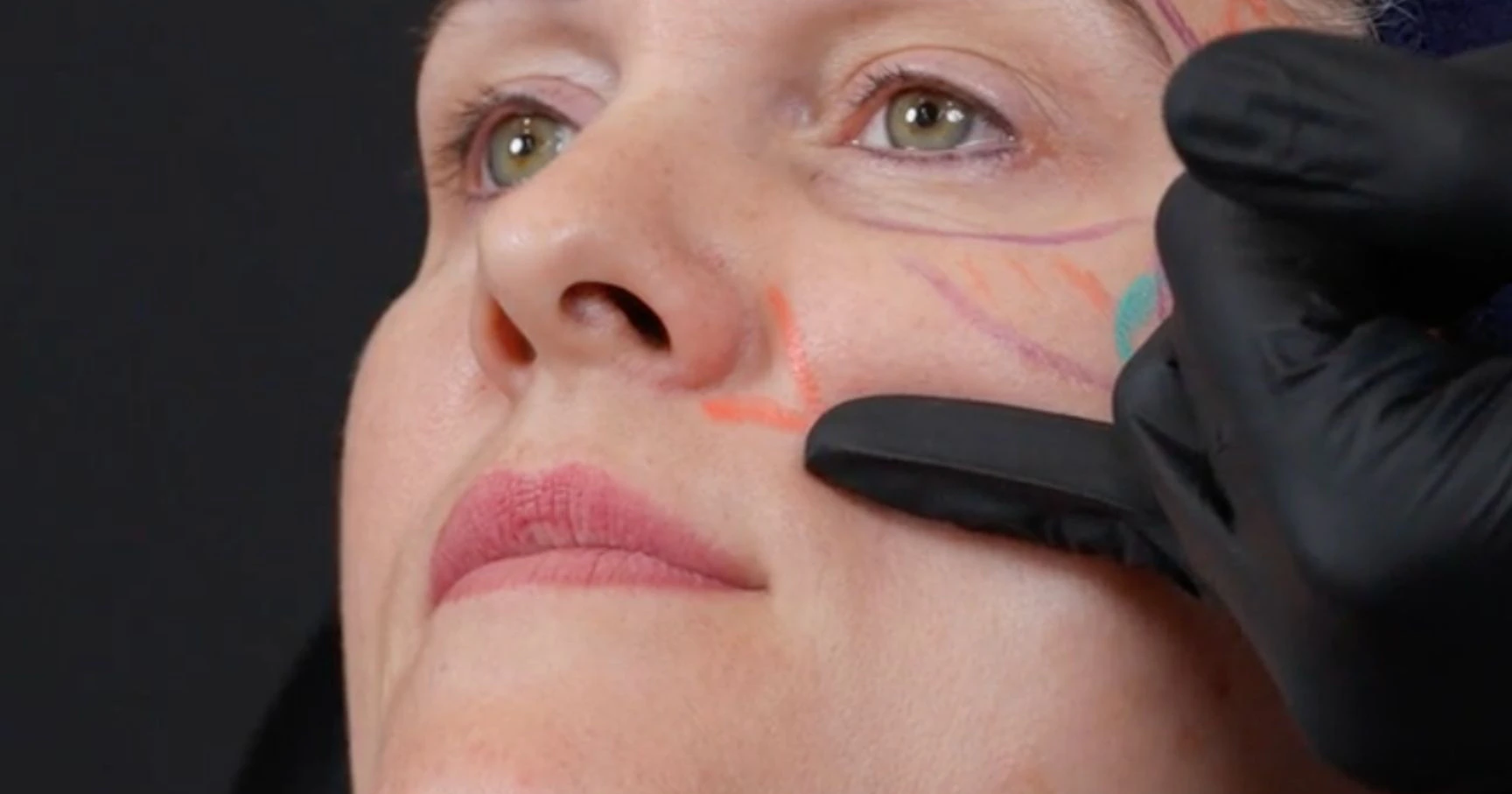
A patient presents for lip filler treatment but they clearly have lip blush tattooing - a form of semi-permanent makeup. What do you do? Treat as normal, or amend your consultation and treatment planning to follow a dedicated protocol?
Here we explain the step-by-step process for aesthetic practitioners to help ensure patient safety and treatment suitability in this increasingly common scenario.
Whilst lip blush is not a contraindication for lip filler, it can open up additional concerns, which require careful consideration and management. It’s a scenario that’s not often covered in lip filler training, so we wanted to highlight how clinicians can prepare.
This article answers these key questions, and more:
- What is lip blush?
- Why is lip blush tattooing relevant when consulting lip filler patients?
- What are the potential risks related to filler for patients with semi-permanent makeup?
- How should you adjust your consultation and treatment plan for this cohort?
- Is it ok to treat lip filler patients if their lip blush is peeling?
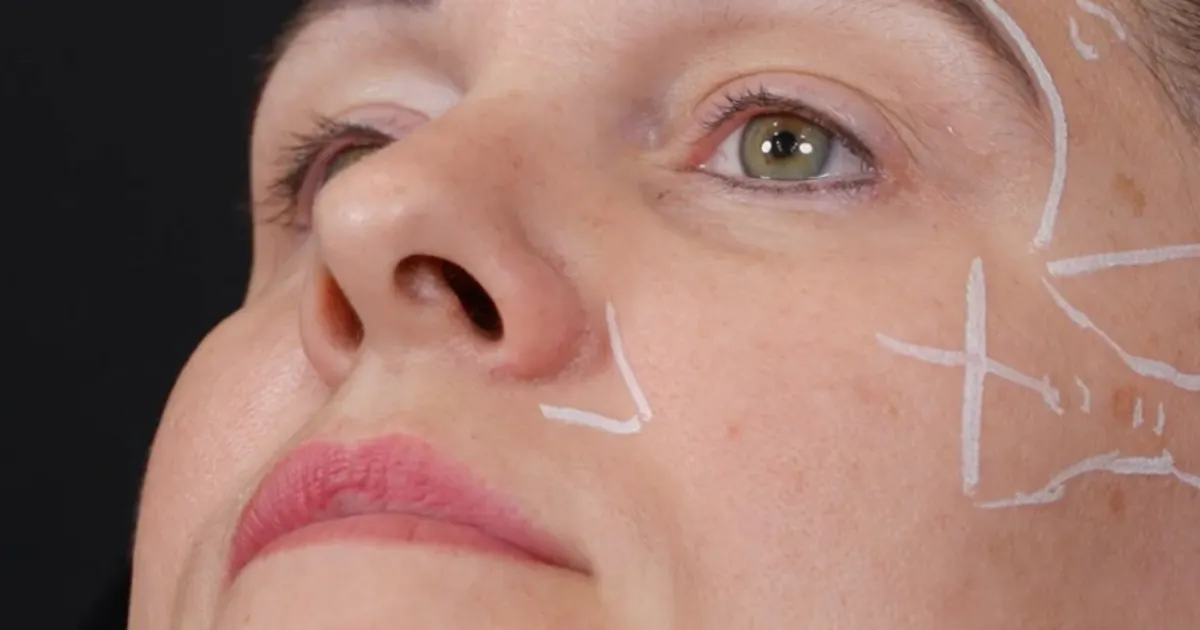
What is lip blush?
Lip blush is a type of semi-permanent makeup, whereby pigments are tattooed into the skin to mimic the effect of lipstick.
This is usually carried out over two sessions, scheduled six to eight weeks apart. Typically, lip blush tattoos take around four weeks to heal, post procedure, and the results can last for two to three years.
Why is lip blush tattooing relevant when consulting lip filler patients?
It’s important to establish whether your lip filler patients have had lip blush, as this can introduce concerns unique to this cohort. There are a number of additional considerations required both before and after treating lip blush patients with lip filler, to ensure safety.
Lip blush is not a contraindication for lip filler
It’s important to remember that having a lip blush tattoo does not immediately rule your patient out of having lip filler. Timing is crucial, as is the lips being fully healed with no underlying issues.
Lip blush is increasingly being used to enhance the appearance of the lips by adding definition and shape, so the impact can compliment lip filler nicely.
It’s just important to take the relevant precautions, and, if you obtain consent to share your patient’s before and after images, be transparent about their lip blush. Seeing lip filler images where the patient appears to be wearing lip makeup could come across as unprofessional and/or an infection risk. So it’s best to be up-front about this. It also helps patients with lip blush to know what’s possible!
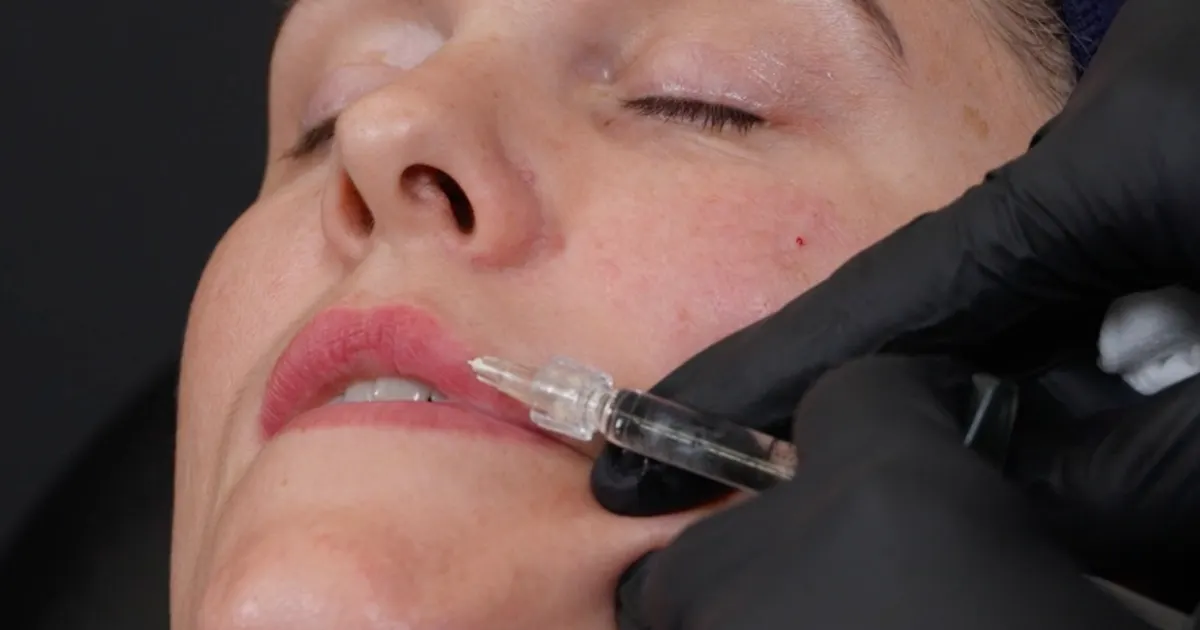
What are the potential risks for lip filler patients with lip blush tattoos?
The primary concern with this cohort is the potential for an inflammatory reaction or infection at the site of the tattooing, which may be exacerbated by filler injections.
Lip blush tattooing, like any semi-permanent makeup, introduces pigment into the skin, which can sometimes trigger an inflammatory response or introduce bacteria. Injecting filler into an area that has previously undergone tattooing adds another layer of potential irritation. It could theoretically increase the risk of delayed hypersensitivity reactions or infection, especially if the tattooing is recent or not fully healed.
How should aesthetic practitioners adjust consultations and treatment plans for this cohort?
There are six steps aesthetic practitioners should follow when a patient with lip blush comes to them for lip filler.
- Review the timeline: Ideally, lip filler should be administered only after the lip blush tattooing is completely healed. This is typically 4 to 6 weeks post-procedure. If the tattooing is very recent, defer treatment with a full explanation as to why
- Assess the tattoo site: Carefully examine the tattooed area for any signs of inflammation, infection (redness, swelling, heat, pain, discharge), or incomplete healing. Do not treat if any of these are present. Treatment should be deferred until these have resolved
- Take a full history: In addition to your usual medical history-taking, ask the patient about any previous reactions to the lip blush tattooing itself. This should include delayed swelling or granuloma formation
- Take informed consent: If treatment is appropriate, thoroughly discuss the potential, albeit low, risk of inflammatory reactions or complications due to the interaction between the filler and the tattoo pigment with the patient. Document this discussion
- Consider your product choice: While not a strict contraindication, some aesthetic practitioners prefer to use dermal fillers with a lower inflammatory potential when treating tattooed areas. However, the evidence is limited, here.
- Follow strict aseptic technique: This should be a given for any treatment,but in cases such as this it’s worth paying even more attention to maintaining meticulous aseptic technique. This will help to minimise the risk of infection during their lip filler treatment.
Are lip filler patients suitable for treatment if their lip blush is peeling?
No. If a patient’s lip blush is peeling, this means the healing process is not yet complete so the patient will be unsuitable for treatment at that time.
Signs of the lip blush healing process include:
- Warmth, slight swelling and tenderness is often present in the first few days post-procedure
- Vivid colour usually indicates the treatment was completed within the past 5 days
- Extreme dryness and flakiness is usually noticeable within the first week
- A small amount of clear fluid (lymph) may be visible on the surface in the first few days post-procedure
- Peeling leading to the tattooed colour almost disappearing often happens in the second week after the procedure.
Common mistakes when treating patients with lip blush, and how to avoid them
These are three of the most common errors aesthetic practitioners make when treating lip filler patients with semi-permanent lip makeup.
- Injecting into unhealed tattoo: Performing filler injections when the lip blush is not fully healed can increase the risk of adverse reactions. Assess carefully via both visual inspection and palpation to ensure the lip blush tattoo is fully healed and free from any signs of inflammation or infection before agreeing to treat
- Ignoring subtle inflammation: Missing subtle signs of ongoing inflammation from the tattoo, which could be worsened by the filler. Again, this comes down to establishing the timeline - how long ago did they have their last lip blush tattooing appointment? - and a thorough assessment. If in doubt, defer treatment to avoid any potential complications
- Lack of detailed history: Not asking about when the lip blush was completed, prior reactions to the tattooing or any prolonged healing issues can set you up to fail before you’ve even started your treatment. It’s so worth spending a few extra minutes at the consultation stage to establish a true picture of what you’re dealing with. The more thorough your consultation, the better the outcome will be, even if that means deferring treatment.
If there are any concerns about active inflammation or incomplete healing of the lip blush, you’re always best to defer filler treatment until the area is completely settled.
Refine your injection techniques with specialist lip filler training
Trainees taking our Level 7 Diploma in Cosmetic Injectables course often tell us that lip filler is their favourite treatment. It’s also one of the hardest to get right.
Becoming confident in treating the lips requires a lot of practice and treating a range of patients with different presentations. After all, lip filler isn’t always just about beautification. You also need to know how to treat patients looking for definition and/or height, mature patients with thin lips and perioral lines who are looking for a rejuvenating approach, and male patients who don’t want their results to be too feminising. These are just a few examples to demonstrate what a wide and wonderful world lip filler specialists need to be able to address.
If you’ve successfully completed an entry-level foundation course in aesthetics, you can sign up for our Perioral & Lip Filler Masterclass to refine and enhance your skills. With dedicated pre-course eLearning to level-up your understanding of relevant anatomy and different approaches, then hands-on, in-clinic mentoring, you’ll leave feeling inspired and ready to share these new techniques with your patients!
Plus, this mentoring time is a great opportunity to ask our approachable faculty any burning questions, to make sure you get the most out of your time with us. If you forget, or if you’re not quite ready for additional training just yet, remember you can ask our virtual Assistant questions any time, 24/7!
Ask our Assistant your lip filler questions - free aesthetic education tool!
You’re newly qualified in aesthetic medicine and are just starting out with your own practice, slowly building your patient list. Ding! At 7pm, your website alerts you to a new booking. A patient has booked in for the next morning - a lip filler appointment! - but you haven’t done a lip filler treatment for a little while. You’re nervous and are struggling to recall your training. What can you do to refresh your memory and calm your nerves?
1. Review your aesthetics training notes and any eLearning you may still have access to. This should start the recall process.
2. Go to the Harley Academy YouTube account and navigate to the GEM© playlist. Choose case studies featuring lip filler and skip to those specific treatments. Make a note of any questions you have whilst watching, as well as any tips you want to remember.
3. Visit https://HarleyAcademy.ai - Harley Academy’s online aesthetics learning system - and create a free account if you don’t have one already. Once you’re logged in, choose Assistant from the menu or look for the purple ‘Professor’ button. This will open up our Assistant tool - a chatbot powered by Harley Academy knowledge and published research, that uses AI to power the conversational delivery of this information. Ask the Assistant all your questions and it’ll provide you with answers and recommended reading suggestions pulled from these knowledge banks.
4. If you have a Harley Pro subscription to HarleyAcademy.ai - purchasable as an annual or monthly subscription, with a 12-month subscription being included in all our Diploma-level courses - then browse a range of helpful premium tools.
These include:
- Global Evidence Matrix (GEM©) framework, which details up-to-date best practices for all filler treatments. This includes everything from patient, product and tool selection to injection technique, depth and risks to be aware of. Plus, there are more video demonstrations in 4K HD. NB. The GEM© Course which includes these details is also available to purchase as a standalone digital course once inside the free HarleyAcademy.ai site
- Treatment Planner: Receive AI-generated treatment plan recommendations based on GEM© considerations when you input various criteria and information related to your patient as well as your own experience level
- Challenging Consultations: Check out the Marcus Chen scenario to live role play a lip filler consultation in a voice-activated or text-based conversation. Receive a mark and feedback at the end, then go again to improve your score!
As leaders at the forefront of ethical, evidence-based, postgraduate aesthetic education for over 10 years, and the first aesthetics training provider to be JCCP-approved, we believe it’s important to make high quality information widely available. Whether you choose the free account or premium access, we believe HarleyAcademy.ai will help you in these scenarios, as well as in more everyday cases.
We hope this article has been helpful, and if you still have questions, try asking our Assistant!
All information correct at time of publication
Download our full prospectus
Browse all our injectables, dermal fillers and cosmetic dermatology courses in one document
By submitting this form, you agree to receive marketing about our products, events, promotions and exclusive content. Consent is not a condition of purchase, and no purchase is necessary. Message frequency varies. View our Privacy Policy and Terms & Conditions
Attend our FREE open evening
If you're not sure which course is right for you, let us help
Join us online or in-person at our free open evening to learn more
Our Partners














STAY INFORMED
Sign up to receive industry news, careers advice, special offers and information on Harley Academy courses and services