

Can Botox Treat Depression? New Clinical Trial Explained
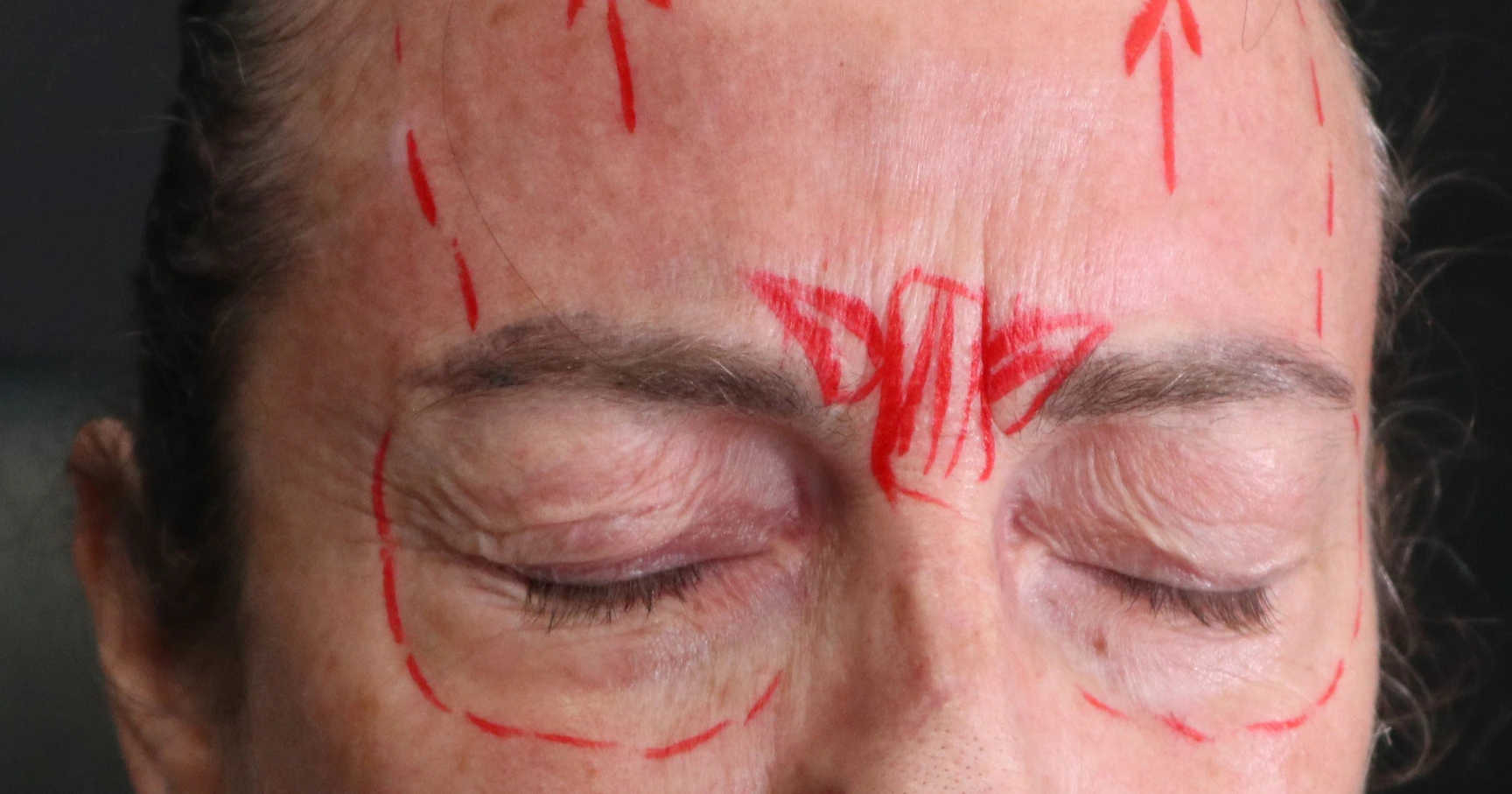
Botox for depression has just taken a genuine step forward, thanks to a new clinical trial in the USA.
American federal healthcare agency, the Food & Drug Administration (FDA) has cleared a botulinum toxin product known as ‘Tyemvers 100 units’ for a Phase 1 clinical trial. This trial is testing whether injecting the frown muscles with neurotoxin can ease major depressive disorder.
Despite anecdotal reports of botox helping patients with depression, it's only the second time any botulinum toxin product has been investigated for psychiatric use. FDA approval for this investigation was granted in July 2026, prior to the company’s August announcement, allowing the trial to proceed immediately.
It’s worth noting that this is a US-only trial and no botulinum toxin product is licensed in the UK for the treatment of depression. But, for UK medical aesthetics professionals, it’s still worth understanding properly.
Patients read news headlines and ask questions that you should be prepared for. Some may already believe botox can lift low mood and this article looks at the science behind this concept, known as the ‘facial feedback hypothesis’.
It also covers why body dysmorphic disorder (BDD) and other psychological factors matter so much during consultation.
We'll cover this new trial, the existing research relating to the effect of cosmetic botox on depression, and where clinical responsibility sits. If you're a healthcare professional considering aesthetics training, a good aesthetics course should teach you this judgement.
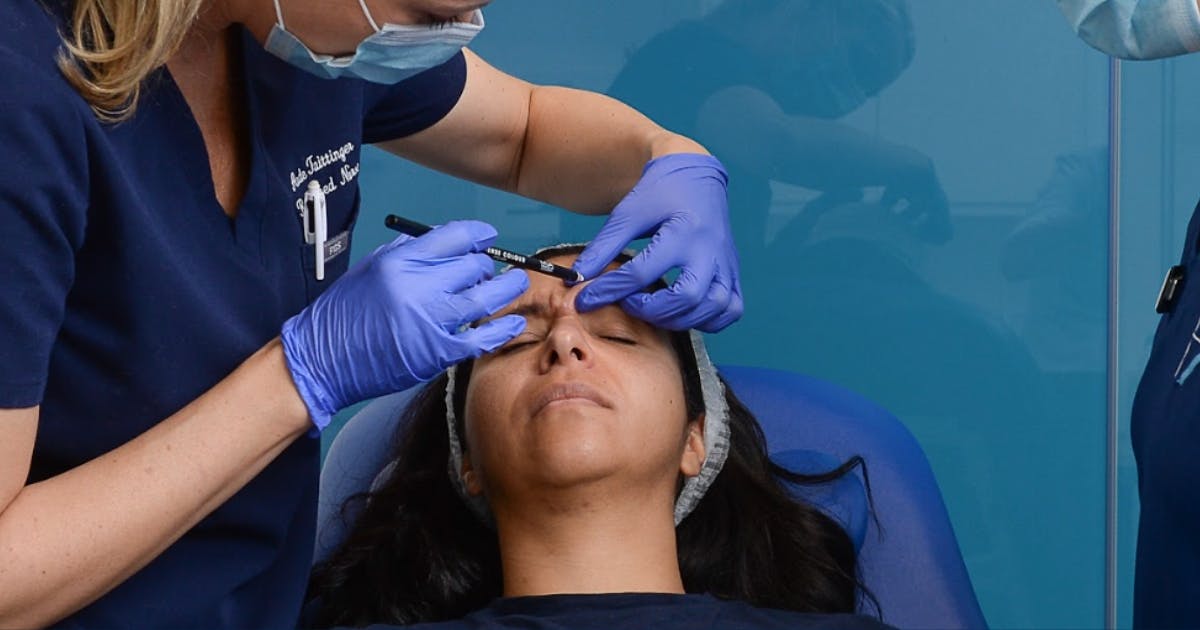
What is the New US Clinical Trial Testing?
Chong Kun Dang Bio, a South Korean pharmaceutical group, has developed a vegan botulinum toxin type A product known as Tyemvers 100 units. This neurotoxin has reportedly been derived from an exclusive European bacterial strain.
The FDA has approved its Investigational New Drug application for a Phase 1 trial. This trial will run in the United States, led by development partner Healis Therapeutics. Although the trial dates have not been released for Phase 1, it may well already be underway, following the FDA’s July authorisation.
What we know about the Phase 1 stage of this clinical trial:
- It's an open-label study with no placebo group
- The focus is purely on safety, tolerability, and pharmacokinetics
- Participants will not have major depressive disorder (MDD) at this stage.
Phase 2 and Phase 3 trials would need to be successfully completed before any approval could happen, and that pathway typically takes at least 7 to 10 years.
Hasn't Botox been tested for depression before?
Yes; Allergan, the Botox manufacturer, previously ran its own Phase 2 trial of Botox for major depressive disorder. That trial was completed in 2017, with mixed but encouraging results.
Allergan announced plans to move into Phase 3 development at the time, however, the programme was never advanced further. In 2022, the licence for botulinum toxin in depression passed to Healis Therapeutics. Healis then partnered with Chong Kun Dang Bio to develop a different toxin for its Tyemvers brand.
Is botulinum toxin approved for depression treatment anywhere?
Not yet, anywhere in the world. Botulinum toxin for depression remains an off-label, investigational use, even in the countries most active in researching it.
Is botox for depression available in the UK?
No. This trial is not being conducted in the UK, and there's no UK equivalent underway. Botulinum toxin remains licensed here for cosmetic use and a small number of medical indications, but depression isn't one of them. Aesthetic practitioners in the UK should not be offering neurotoxin specifically for depression.
Could neurotoxin as a treatment for depression ever reach UK clinics?
It's possible, but not soon. The clinical trial would need to clear Phase 2 and Phase 3 in the USA first. Even then, the MHRA would need to review the evidence separately as part of the consideration process for a UK licence.
New psychiatric indications for existing drugs typically take many years to reach approval. For now, this remains a story to watch, not a treatment to offer.
How Does Botox Affect Mood? The Facial Feedback Hypothesis, Explained
The theory behind this research isn't new. It's called the ‘facial feedback hypothesis’, and it dates back to Darwin. The idea is simple: Facial expressions don't just show emotion, they help create it.
Muscles which pull your brows into a frown - the corrugator supercilii and procerus - are central to this theory. When they contract, they send signals back to the brain's emotional centres.
In depressed patients, these muscles tend to show measurably higher activity. The theory suggests this isn't just a symptom. It may actually help to sustain a low mood.
What happens when toxin blocks the frown?
Botulinum toxin blocks the nerve signal that makes these muscles contract. The brain still tries to frown, but the muscle can't fully respond. Researchers believe this interrupts the feedback loop between face and brain.
Studies using brain imaging have shown reduced activity in the amygdala after treatment. The amygdala is heavily involved in processing negative emotion.
What Does Existing Research Say About Botox and Depression?
The idea that cosmetic botox can treat depression has actually been studied for nearly twenty years, well before this new trial. Several smaller randomised trials have found improvements in depression scores after glabellar neurotoxin treatment. Some studies report response rates well above what's typically seen with placebo alone.
What are the limitations of this research?
There's a well recognised limitation in this research. Because Botox visibly softens frown lines, patients and assessors can often tell who received active treatment. This makes it hard to fully separate a genuine mood effect from expectation.
Scientists studying this area have flagged unblinding as a real methodological weakness. It's one reason the evidence, while promising, isn't considered definitive yet.
Many aesthetic practitioners have also noted anecdotal reports from patients who feel happier after glabellar treatment. Patients sometimes describe feeling calmer or less irritable once frown lines relax. This lines up with the theory but doesn't confirm a clinical treatment effect.
Obviously, anecdotes and evidence are not the same thing, and clinicians should be clear about that distinction with patients. It's fine to acknowledge the theory, but you must never promise an antidepressant effect that current evidence can't support.
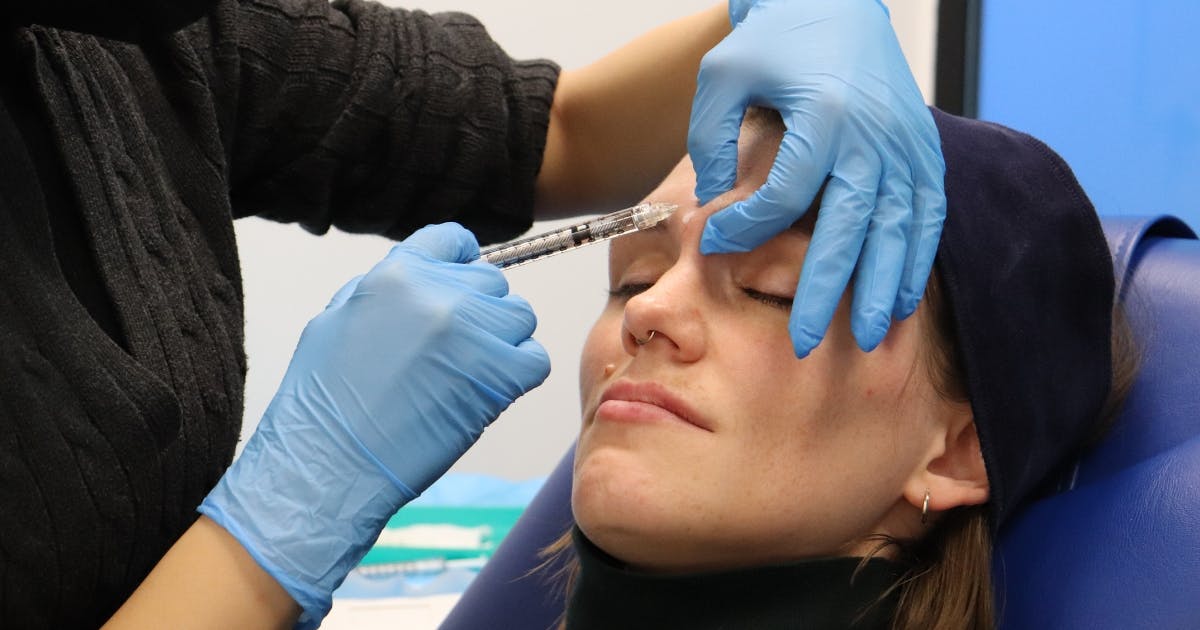
Why Should Psychological Wellbeing be Assessed Before Toxing Treatment?
Any conversation about mood and aesthetic treatment needs a wider lens. Not every patient asking about botox for depression has straightforward reasons. Some may be seeking treatment for deeper psychological concerns that need a different kind of care.
What is Body Dysmorphic Disorder, and why does it matter here?
Body dysmorphic disorder, or BDD, involves an intense preoccupation with perceived flaws in appearance. People with BDD often seek repeated cosmetic treatments hoping to feel better. Satisfaction rarely follows, because the underlying issue isn't really about appearance at all.
Aesthetic practitioners are more likely than most clinicians to encounter BDD in their patients. Some studies suggest injectors see BDD at notably higher rates than general practice. Additionally, depression, anxiety and eating disorders can also sit alongside appearance concerns. A thorough clinical consultation should look at the whole picture for every patient, not just their face.
Warning signs during consultation might include:
- Fixation on a flaw that seems minor or invisible to others
- Repeated requests for treatment despite previous good outcomes
- Comparing their appearance constantly to others or to photos
- Distress that seems disproportionate to the physical concern raised
- Hope that treatment will fix unrelated life or emotional problems.
What Should Aesthetic Practitioners Do if a Patient Wants Botox Solely for Depression?
This is where your clinical judgement and scope of practice really matter. If a patient is seeking botox as their sole treatment for depression, you need to pause and dig deeper.
Ask what other support they currently have in place. Notice if their expectations of the treatment seem disproportionate to what neurotoxin injections can realistically achieve.
If depression appears to be the primary driver rather than a cosmetic concern, this sits outside your scope of practice as an aesthetic practitioner. The right response is to always work within your scope, not beyond it.
- Explore the patient's wider mental health history sensitively and thoroughly
- Check whether they're already under the care of a GP or mental health team
- Explain honestly that current UK evidence doesn't support botulinum toxin as a depression treatment
- Refer on, or liaise directly with their GP or mental health team, where appropriate
- Document your reasoning clearly, including any onward referral made.
Patients pinning all their hope on a single aesthetic treatment need extra care. Treating the face without addressing the underlying condition can leave patients more vulnerable, not less. Good aesthetic practice means recognising when a request needs a different kind of help. Acting within your scope of competency protects your patient and your professional standing alike. It also builds the kind of trust that keeps a practice ethical and sustainable long term.
Practising challenging patient interactions
If you’re interested in preparing for challenging patient interactions like this, head to HarleyAcademy.ai. Harley Pro subscribers to this aesthetics learning system - including Harley Academy trainees who get a free 12-month membership as part of a Diploma-level aesthetics course - can access role-play scenarios.
Go to Practice, then Patient Negotiations to uncover a waiting room of different patients, each with different needs ready to test you with escalating levels of challenges! You can role play entire consultations with them using the audio feature - so they talk to you, and you talk back - or in a text message style.
At the end, you’ll receive feedback on how you did and where you could improve, to truly elevate your consultation skills, especially when dealing with difficult situations, and patients!
What Does This Mean for Your Medical Aesthetics Training?
Stories like this US trial will keep reaching your patients before you've had time to read the detail. That's exactly why strong medical aesthetics training matters so much. It goes beyond simply understanding evidence-based techniques and safe injecting practice.You need a solid grounding in relevant aspects of appearance psychology, consultation skills, and knowing your professional limits.
Good aesthetics training for healthcare professionals should cover:
- The evidence base behind emerging treatments, and its limitations
- Recognising BDD and other psychological red flags during consultation
- When and how to refer patients to a GP or mental health team
- Working confidently and safely within your defined scope of practice.
Choosing the right aesthetics course sets the tone for your entire career. It shapes how you handle exactly these kinds of nuanced, patient-first conversations.
At Harley Academy, we never assume that every medic knows how to run a thorough clinical consultation. Your NHS role may not involve this step, so it’s vital to understand how to do this well, and build confidence in this aspect of every appointment, alongside your treatment skills.
So, Can Botox Treat Depression? The Bottom Line
Although this new FDA-cleared trial is genuinely interesting science, and is worth watching, the answer is still “no” for now.
For aesthetic practitioners, the real lesson isn't about the toxin itself. It's about listening carefully, screening thoroughly, and knowing when to refer patients on.
Botox may one day play a role in mental health treatment, but that's still a long way off. Right now, your consultation skills matter just as much as your injecting technique. A curious, evidence-led mindset will always serve your patients better than following the headlines.
If you're exploring a career in aesthetic medicine, or want to deepen your clinical skills, we'd love to help. Book a call with our courses team for personalised advice on taking the next step in your medical career.
All information correct at time of publication
Download our full prospectus
Browse all our injectables, dermal fillers and cosmetic dermatology courses in one document
By submitting this form, you agree to receive marketing about our products, events, promotions and exclusive content. Consent is not a condition of purchase, and no purchase is necessary. Message frequency varies. View our Privacy Policy and Terms & Conditions
Attend our FREE open evening
If you're not sure which course is right for you, let us help
Join us online or in-person at our free open evening to learn more
Our Partners















STAY INFORMED
Sign up to receive industry news, careers advice, special offers and information on Harley Academy courses and services