

Why is Theory Vital for a Successful Aesthetics Career?
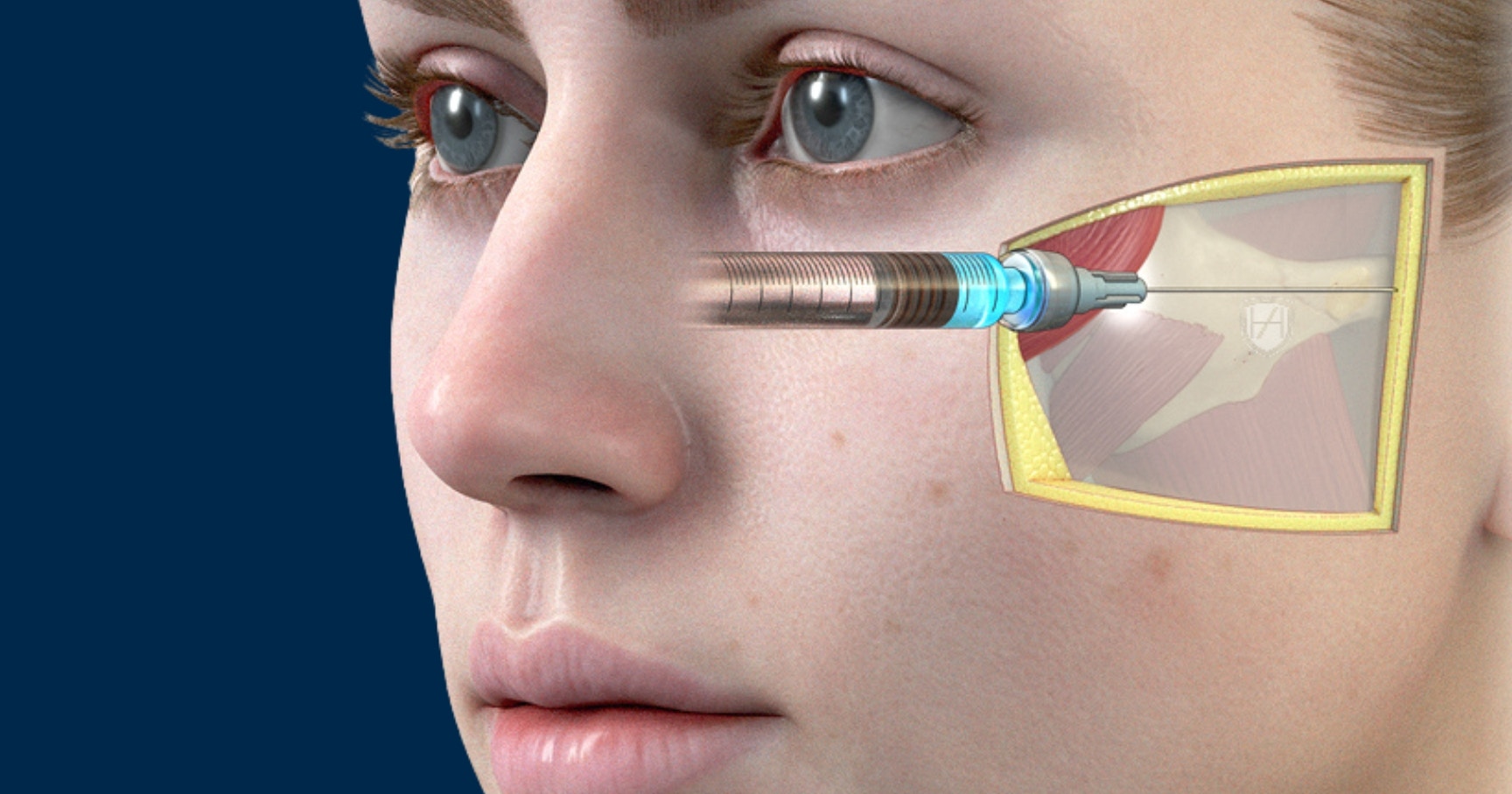
It may not be the fun, ‘glamorous’ part of aesthetics training, but solid theory knowledge is vital for career success.
Harley Academy Founder, Dr Tristan Mehta, shares his insights as to why failing to learn your theory can be career-limiting.
We also explain why it’s essential for aesthetic practitioners to have a sound, evidence-based grounding in theory, and what this should cover.
Plus, learn how you can deepen your theoretical knowledge whether you’re a healthcare professional starting out in aesthetics, or a more experienced clinician.
Get ready to grow your confidence with a greater appreciation of the ‘whys’ behind your practice!
Develops critical reasoning for longterm success
We asked Harley Academy Founder, Dr Tristan Mehta - a cosmetic doctor with over a decade of industry experience - for his thoughts.
“We need to have a good understanding of aesthetic medicine from first principles,” he shared. “If we don’t, we’re very easy to convince that certain products and trends are the next big thing.
“What we want to do is practice from reasoning, where we can derive our knowledge on basic sciences like products or anatomy or injection technique. And we can come to our own conclusions on, for example, why we’re treating this particular patient, with this certain product, in this specific way.
“We need to have a good understanding of how to critically appraise research papers, and how to derive information from a broader understanding of medicine.
“If we simply learn what we’re told, or are taught by the pharmaceutical companies, or if we get our education from TikTok or Instagram, then we have a very flimsy and narrow understanding of how to practice.
“This might get you through treating some patients in clinics, but it won’t make you think like an aesthetics specialist. It will not allow you to have longevity and real success in your career. Unfortunately, there are no shortcuts. A broad theoretical understanding in aesthetic medicine is key to longterm success.”
What types of theory learning are there in aesthetics?
Aesthetic medicine is a wide-ranging field, and constantly growing as a specialty. This means there are new categories opening up all the time. However, the core areas for theoretical learning are:
- Facial anatomy
- Products
- Consultation and assessment
- Injection techniques
- Emergency protocols
- Ethical and legal considerations.
Facial anatomy
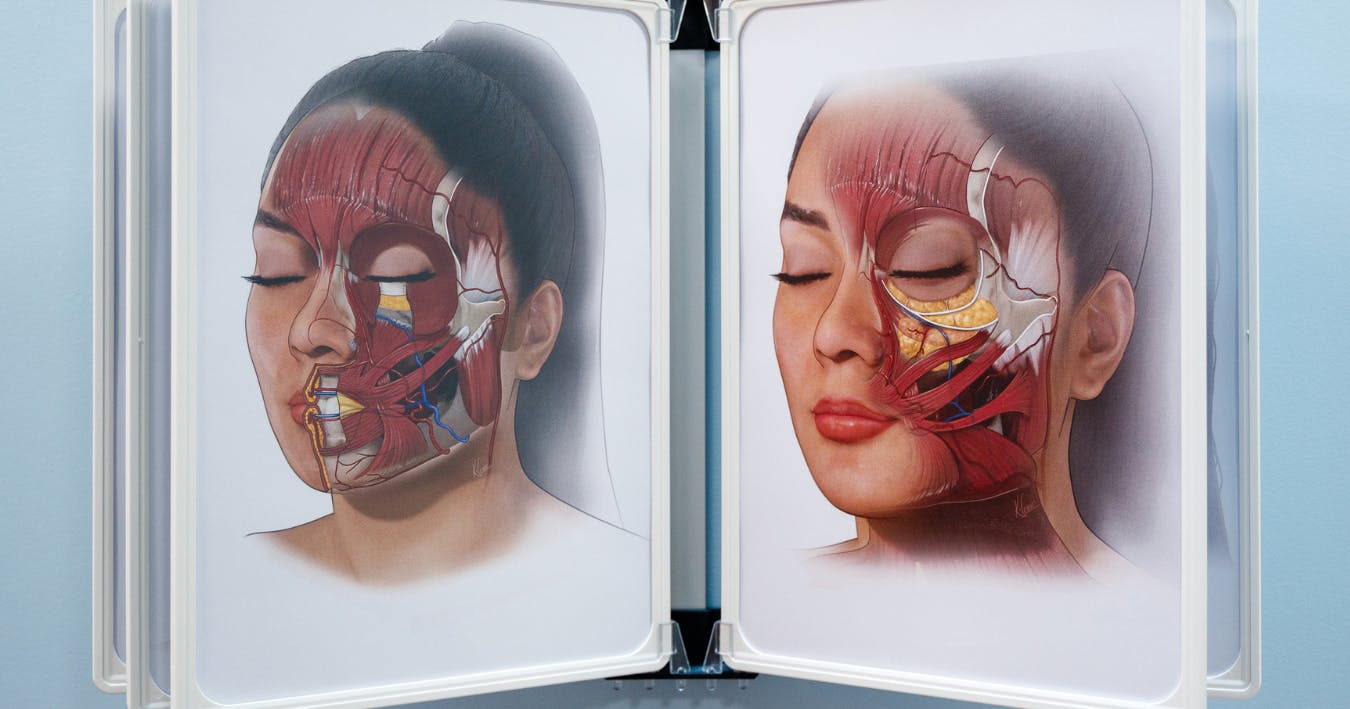
You cannot be a safe, effective aesthetic practitioner without understanding facial anatomy. Anatomical knowledge is paramount for patient safety and desirable, natural-looking results.
Without knowing your anatomy, you’ll be guessing on critical aspects, including:
- How to avoid the arteries that can lead to filler blindness
- What your anatomical targets are and how to inject at the right depth to reach them
- How to vary your injection points for certain anatomical presentations
- Which treatments require additional support to achieve the patient’s desired outcome
- How to prevent complications, including vascular events, ptosis, mephisto signs and more.
These are fundamental aspects of aesthetic practice and not things any injector should be ‘guessing’.
We cover relevant facial anatomy in the eLearning for all our aesthetics courses, from our entry-level Foundation Training in Medical Aesthetics, up.
Products
There are various aspects to learn with regards to products used in aesthetic treatments. Even just considering the two most popular cosmetic injectables - neurotoxin and filler - there’s a lot to take in.
This includes:
- Basic product rheology
- Which areas it’s suitable - and approved - for
- Patient suitability
- Contraindications
- Preparation instructions
- How to store the product correctly
- Product-specific pre-treatment and aftercare advice.
Consultation and assessment
Never underestimate the importance of proper patient selection to successful treatment outcomes. Having a solid knowledge of the full, clinical consultation and assessment process starts every appointment off on a sound footing.
This covers aspects such as:
- Exploring your patient’s medical suitability for treatment
- Determining their reasons for wanting treatment
- Performing a facial assessment
- Treatment planning
- Explaining the risks and benefits of the proposed treatments
- Scheduling treatments on an appropriate timeline
- Completing medicolegal requirements including obtaining informed consent and taking ‘before and after’ photos
- Delivering aftercare advice.
In a 2025 poll of Harley Academy clinical trainers, being able to conduct a thorough consultation and assessment was the top early sign of success that a trainee would pass their practical exam. This is the Direct Observation of Practical Skills (DOPS) assessment for our Level 7 Diploma courses.
We’ve previously shared expert advice on perfecting your clinical consultation skills.
Injection techniques
Learning toxin and filler injection techniques is not just something you do during practical aesthetics training sessions. Studying evidence-based approaches ahead of mentoring sessions, and knowing the basic elements, makes a profound difference.
Developing your knowledge and understanding the ‘why’ behind some of the key techniques, can help you to be a more confident, effective clinician. It can inform and enhance your decision making, as you tailor your delivery to each individual patient.
Some of the pivotal points to learn, include:
- Optimal injection techniques for each treatment area
- Needle or cannula
- When to aspirate
- Injection depth
- Anatomical target
- Recommended total product volume for each treatment
- Any necessary post-injection actions, such as massage.
You’ll find all of these points clearly set out in the digital Global Evidence Matrix (GEM©), based on the latest science.
The GEM© by Harley Academy platform allows you to access this information in a convenient, at-a-glance format, alongside more detailed information and video demonstrations. This subscription service is available free of charge for 12 months to Harley Academy trainees on a number of our courses.
Emergency protocols
There are some things you can only prepare for in theory. Whether it’s needing to dissolve dermal filler or deal with anaphylaxis, you should have a plan in place.
Every aesthetic practitioner needs to know what to do in an emergency situation. You should regularly refresh your theory knowledge on this. However, ideally, you should also run regular practical drills to ensure familiarity and identify any issues in advance.
Being properly prepared requires regular checks for easily accessible, up-to-date information and stock, including:
- Emergency protocol sheets for all treatments you offer
- Referral contact details, including your local A&E department
- Fully-stocked emergency kit and all relevant medications, including hyaluronidase
- Instructions for how to report these incidents internally and to your insurance company.
You can find more detailed information on this topic in our article Emergency Protocols for Aesthetic Practitioners.
Ethical and legal considerations
Whether it’s spotting when a patient may be seeking treatment for the wrong reasons, or properly documenting your appointments, there are myriad ethics and legal concerns to take into consideration.
You obviously need to understand legal requirements so you can make sure you’re fully compliant. Whilst, for ethical points, it’s incredibly useful to know what these are so you can make an informed decision as to what you're comfortable with.
We have Principles of Psychology, plus Professionalism, Law & Ethics eLearning modules in all our Level 7 Diploma courses in cosmetic injectables. This includes our Ofqual-regulated Level 7+ and Fast Track Level 7.
They’re also available as part of our International Advanced Aesthetics Diploma for aesthetic practitioners outside the UK.

How can aesthetic practitioners deepen their theory knowledge?
There are three routes for gaining a deep understanding of aesthetic medicine theory. The best pathway for you depends on where you are in your career.
1. If you’re a healthcare professional about to start an aesthetics training course
As a medic who’s just getting started in this field, you have a blank slate so it’s important to build the best possible footing. Save yourself time and money by choosing an aesthetics course for beginners that will establish strong foundations.
Whilst, of course, everyone wants to get to the ‘fun’ practical bit - the injecting - the responsible option for longterm career success is to choose a pathway that also places importance on theory.
At Harley Academy, we offer three separate beginner aesthetics training routes.
- Foundation Training in Medical Aesthetics - This certified course offers extensive self-paced theory eLearning, followed by a full day in clinic. Here you’ll learn injection techniques through mannequin practice, before treating your first real patients under the supervision of our supportive mentors. You can complete this course as is, or you can upgrade to our Level 7 Diploma qualification pathway, and continue from here
- The Aesthetics Accelerator - This is for healthcare professionals wanting more practical training than our Foundation course offers, plus additional theory modules. This also covers advice on marketing your aesthetic practice.
- Level 7 in Cosmetic Injectables - This Ofqual-regulated qualification represents the highest level of vocational postgraduate training. First, you’ll complete your Foundation Training in Medical Aesthetics, as outlined above. Then you’ll move on to a wealth of additional eLearning and practical mentoring, plus Observation Days to really develop your critical thinking and clinical skills. The result is a PGDipAes post-nominal title and a prestigious qualification from a JCCP-approved course, and a JCCP-approved aesthetics training provider!
2. You’re an aesthetic practitioner but aren’t confident in your knowledge
This is a scenario we’re all too familiar with. When injectors do a one-day course where the emphasis is on practical skills, or where they trained a long time ago, it’s easy to miss out on theory.
First, identify the gaps in your knowledge and anything that makes you feel unconfident. Next, decide how you prefer to learn and which route you’d like to take.
For some practitioners, the answer is to start again with a longer, or more substantial aesthetics course. This could be retaking your Foundation Training, or undertaking Injectables Masterclasses in order to hone knowledge and skills in specific areas.
A number of our trainees came to us to re-do their foundation-level training after completing a course elsewhere, as they didn’t feel they got enough from their initial education. Many have told us what a difference our ‘theory plus practical’ approach makes, and have gone on to complete our Level 7 qualification.
If you’re looking for solely theory learning, a GEM© subscription will stand you in good stead. This online platform is available 24/7 and subscribers can access a plethora of theory insights, backed by exclusive illustrations and video demonstrations.
GEM© content is aligned to the latest evidence and broken down into accessible formats for optimal comprehension and retention. Whether you want a quick refresher or a deeper dive into the research behind certain techniques, it’s there for you.
3. As an experienced aesthetic practitioner, you need on-going learning opportunities
There are many opportunities for you if you’re an intermediate-to-advanced clinician looking for extended learning. These include:
- Attending reputable aesthetics conferences, webinars and educational events
- Reading noted industry publications, articles and journals
- Taking out a GEM© subscription
- Regularly taking refresher training courses, either online or in-person
- Registering with industry bodies, such as the JCCP, and companies such as aesthetics-specific insurers, for email updates for alerts on legal, ethical and regulatory news.
We hope this information is helpful. If you’d like more details on anything mentioned here, just drop us a message in the chatbot in the bottom right corner of your screen.
All information correct at time of publication
Download our full prospectus
Browse all our injectables, dermal fillers and cosmetic dermatology courses in one document
By submitting this form, you agree to receive marketing about our products, events, promotions and exclusive content. Consent is not a condition of purchase, and no purchase is necessary. Message frequency varies. View our Privacy Policy and Terms & Conditions
Attend our FREE open evening
If you're not sure which course is right for you, let us help
Join us online or in-person at our free open evening to learn more
Our Partners









STAY INFORMED
Sign up to receive industry news, careers advice, special offers and information on Harley Academy courses and services